A UCSF spinout wants brain tumors to produce their own treatment
Andrew Bartynski, PhD, is co-founder and CEO of Kopra Bio, which entered Y Combinator’s summer 2024 batch with technology developed at UCSF. He was previously chief operating officer of YourChoice Therapeutics, a male contraceptive pill developer, and ANA Therapeutics, a COVID-19 antiviral company. Scientific co-founder Alexander Haddad, a UCSF neurosurgery resident, helped develop the viral technology in the laboratories of Manish Aghi and Noriyuki Kasahara. At Demo Day, Bartynski said Kopra’s first product was about to enter the clinic.
Kopra works on brain cancers that have resisted breakthroughs for decades and leave little time for trial and error. Glioblastoma, its starting point, is diagnosed in about 14,000 Americans a year and carries a median survival of about 15 months; diffuse intrinsic pontine glioma, or DIPG, is a pediatric brain tumor commonly diagnosed between ages five and seven. Bartynski frames discovery as two linked tasks: finding useful drug targets in these treatment-resistant tumors and making effective molecules for those targets.
Kopra’s virus spreads through tumors and delivers genetic instructions that make infected cells produce therapeutic proteins. In a May 2026 Nature Communications paper, a version made glioblastoma cells secrete an enhanced version of IL-15, which stimulates immune cells; in mice, more than 85% survived long term in one tumor model and 12% in a harder one. Bartynski calls the ambition “one drug, one target for every tumor.” The team has proposed using the virus to install targetable antigens, molecular features a drug can attach to, on cancers that lack them.
Protein designs moved from a computer screen to in vitro binding hits
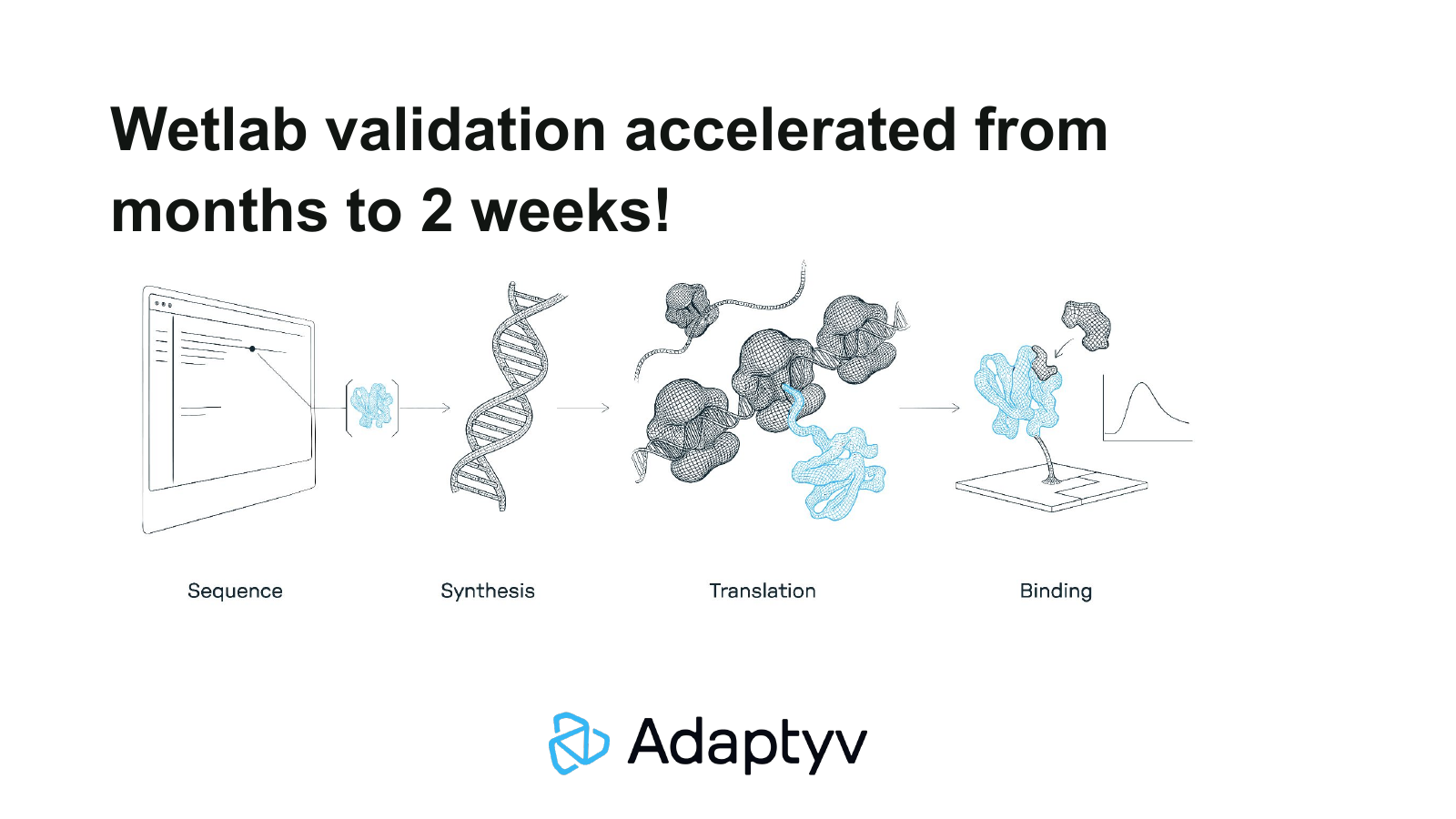
- Wet-lab validation fell from months to just two weeks. Kopra’s final Demo Day slides showcased the hits: the top sequences from the AI screen went through Adaptyv for synthesis, translation into proteins and binding measurements.
-
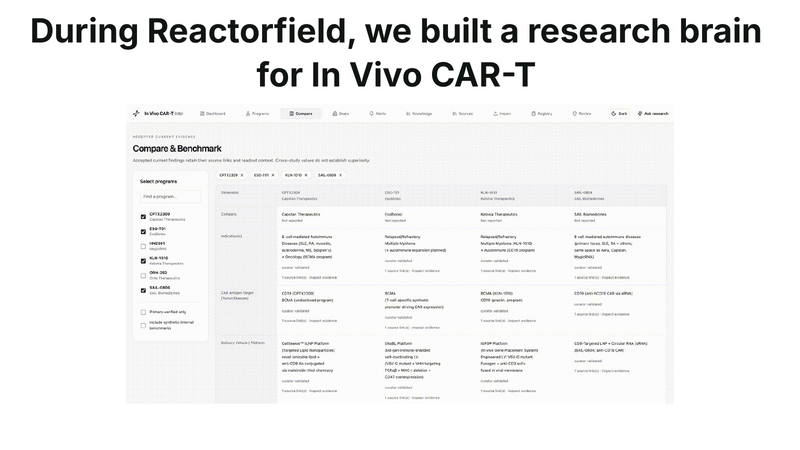
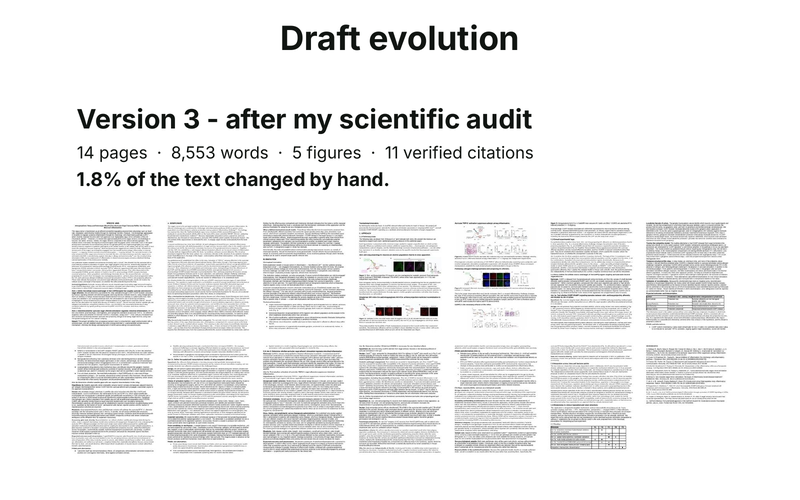
The workflow produced 1,000 traceable binder designs. The AI workflow’s first generation made over 1,000 binder designs, with reports tracing where each came from, which models generated it and why particular candidates were selected. Sequences were then submitted for experimental validation.
-
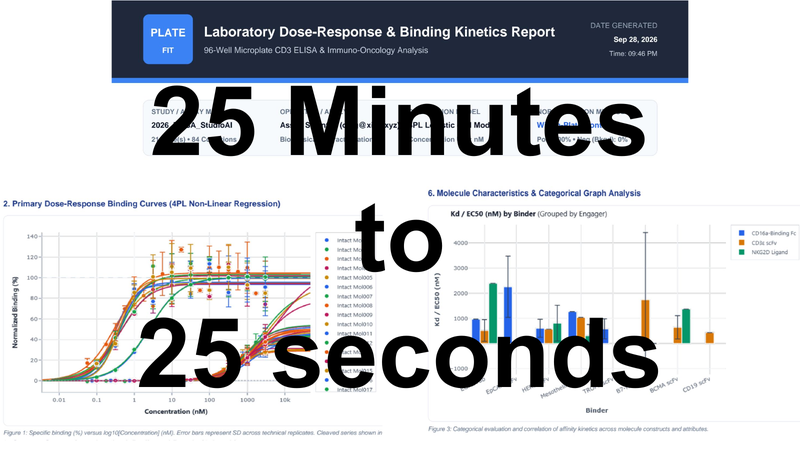
An AI-assisted iteration took two weeks. During a Reactorfield Office Hour, Bartynski contrasted a first manual iteration that had taken roughly six months with an AI-assisted version completed in two weeks.
-
Weekly deadlines set the pace. During weekly Reactorfield Office Hours, Bartynski described his goals and how the program offered a forcing function for his time.
-
Selected proteins bound their target in vitro. At Demo Day, he told the audience, “We tested their binding, and we got hits,” and a slide showed the resulting designs under the words “We have binders!”
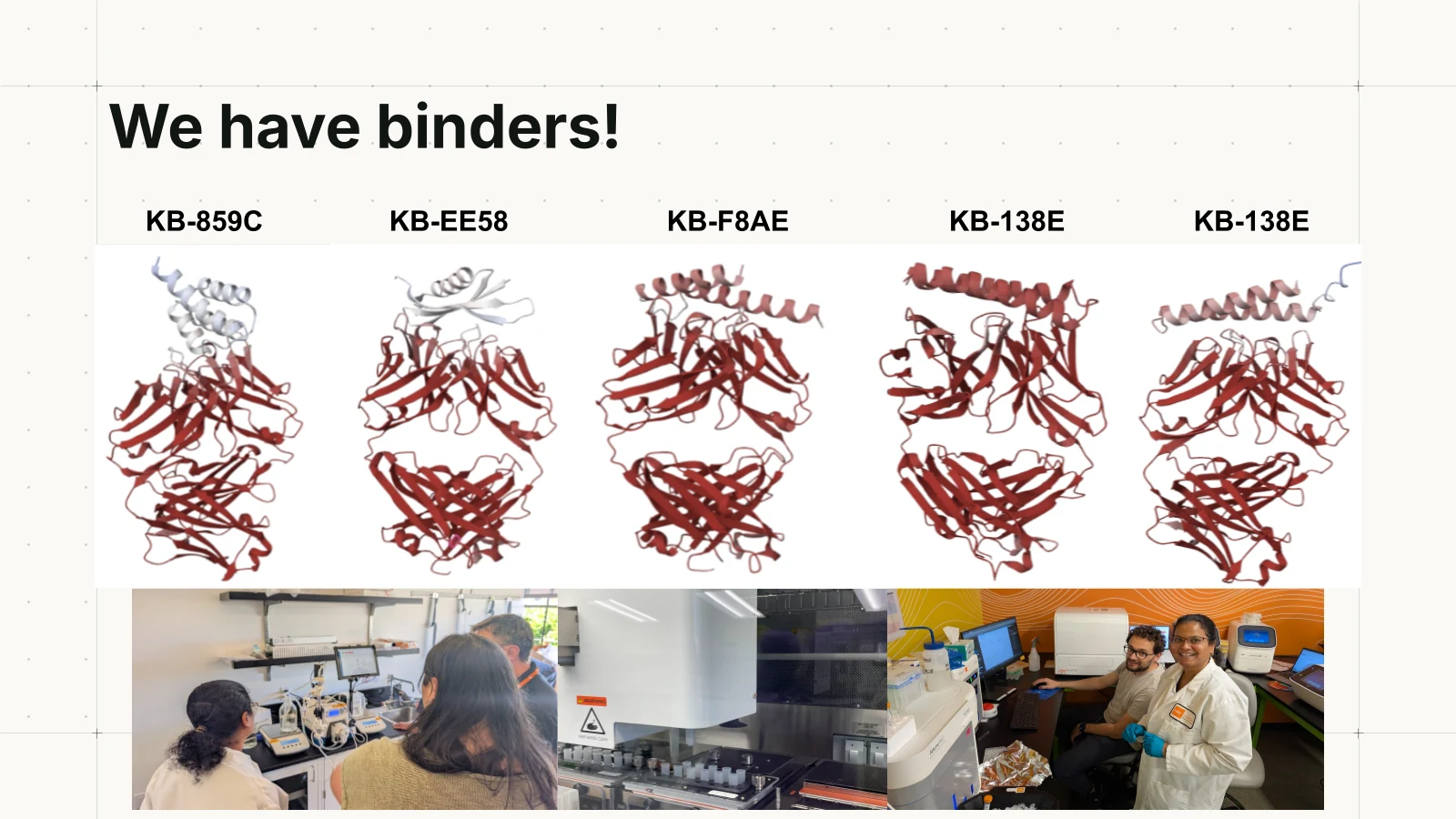
A binding hit establishes that a candidate attaches to its target under the experimental conditions, the first lab checkpoint before testing whether a design has a biological effect against tumors.
Kopra’s larger objective is to synthesize antigens, place them on tumors and use already approved drugs against those engineered targets. He discussed colorectal and lung cancers as possible future applications; HER2-directed drugs were among his examples.
The bigger change is to the clock. On Bartynski’s business-as-usual path, a new drug takes about 20 years, with five spent on research and development alone. At Reactorfield, he set out to see whether AI could compress years of that work into four weeks, and by Demo Day he had designed proteins that bind their target in vitro. If design-and-test cycles keep shrinking from months to weeks, small teams can test far more ideas against glioblastoma, DIPG and the other solid tumors that Bartynski says make up 85% of all cancers.
At Demo Day, Bartynski said of the shorter discovery cycle: “it gets us more shots on goal. And with enough shots on goal, we’re going to make a difference.”